

Key takeaways
- Cultural rituals are emotionally charged, socially reinforced practices that give structure and meaning to daily life — from morning coffee routines to festive traditions and fandom behaviours.
- Rituals operate on both an individual and collective level. They transform ordinary acts into moments of belonging, which is why they matter more for brand connection than price or features alone.
- Indeemo's research across Q4 2024 showed ritual-driven insights consistently delivered the richest emotional understanding, and that rituals cut across categories from wellness and beauty to digital fandoms and retail.
- Rituals offer brands three specific advantages: identity alignment, repetition with meaning (not intrusion), and symbolic power that elevates a product into a cultural signifier.
- Brands that want to tap into rituals need to design for them — mapping journeys around cultural and seasonal moments, honouring micro-rituals, and entering with sensitivity rather than disruption.
Why do brands compete on meaning now?
In today's marketplace, consumers are spoiled for choice. Price and product features still matter, but they're no longer enough to guarantee loyalty. The brands that rise above the noise are those that don't just sell — they belong. They tap into the deeper currents of culture, emotion, and community. And at the heart of this connection lie rituals.
Rituals are not just routines. They are emotionally charged, socially reinforced practices that give structure and meaning to daily life — from morning coffee rituals to annual festive traditions. For brands, entering this symbolic space means moving beyond transactions into relationships that feel personal, memorable, and enduring.
Why are rituals the language of belonging?
Rituals matter because they operate on both an individual and collective level. They transform ordinary acts into moments of belonging.
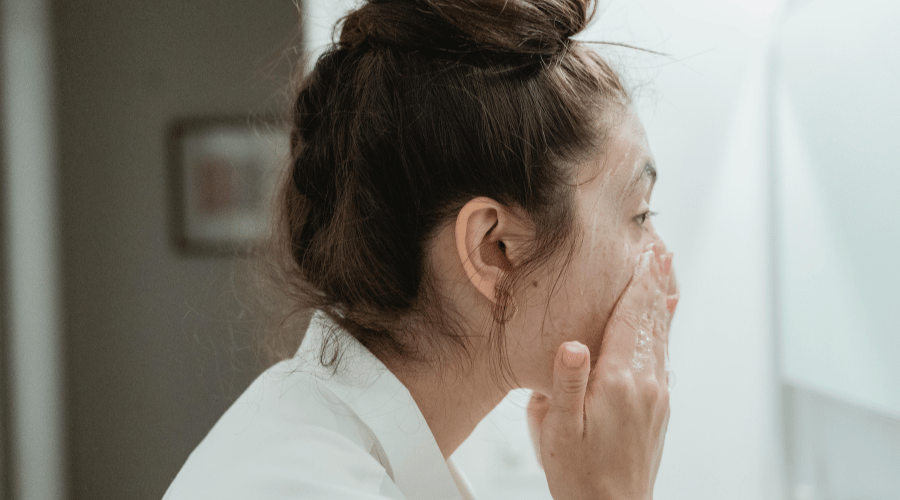
Daily rituals. A skincare routine is never just about moisturising. It's a pause for self-care, a marker of personal time, a small claim on the day.
Seasonal rituals. A holiday meal is not just about food. It's about family, tradition, and identity — a recurring moment when belonging gets renewed.
Cultural rituals. A fandom's release-day binge is more than entertainment. It's a shared cultural event that connects strangers around a common moment.
When brands become part of these rituals, they tap into a language of belonging. Instead of being remembered for utility, they're remembered for meaning.
What did Indeemo's research on rituals reveal?
Looking back at data from our Q4 2024 research programme, a few patterns emerged around how powerfully rituals shape consumer-brand relationships.
Seasonality as an accelerator. December studies consistently showed how gifting and festive rituals create fertile ground for storytelling. Rituals became the natural entry point for brands to connect with consumers during moments of heightened emotion.
Cross-category resonance. Rituals appeared everywhere — in wellness routines, beauty rituals, digital fandom behaviours, and retail shopping journeys. The influence of rituals extends far beyond "cultural" categories.
Emotional depth. Ritual-driven insights consistently delivered the richest layers of emotional understanding. Brands that engaged with rituals could uncover not just what consumers do, but why it matters to them.
Why do rituals build stronger brand bonds?
Rituals offer brands three specific advantages.
Identity alignment. Rituals reinforce who people are and what groups they belong to. Brands that show up in the rituals become symbols of identity.
Repetition with meaning. Unlike advertising impressions, rituals guarantee repeated exposure that feels authentic rather than intrusive. The brand is part of the moment, not an interruption to it.
Symbolic power. Rituals elevate brands from functional products to cultural signifiers. A coffee brand becomes a symbol of morning energy. A beauty brand becomes a symbol of self-confidence.
What does this mean for brands today?
As brands face pressure to prove value, authenticity, and cultural relevance, rituals provide a roadmap. The most forward-thinking marketers will:
- Design for rituals. Map consumer journeys not just around touchpoints, but around cultural and seasonal rituals.
- Honour the micro-moments. Everyday practices like commutes, workouts, or skincare routines can be as powerful as big cultural moments.
- Embed authentically. Enter rituals with sensitivity. Consumers can sense when a brand disrupts rather than enriches a tradition.
Why is culture the ultimate differentiator?
In a market dominated by wellness narratives, digital trust conversations, and affordability debates, rituals stand out as the cultural glue that binds consumers to brands. They're the bridge between products and meaning, between transactions and belonging.
For brands, the opportunity is clear. Become part of the rituals that matter most to your consumers. When done with authenticity, this isn't just a path to loyalty. It's a path to becoming indispensable.
How does Indeemo support ritual research?
Indeemo helps brands decode cultural rituals through in-context, journey-based research. Participants document their rituals as they happen — not as they remember them later. That immediacy is what makes ritual research useful.
With Indeemo, you can:
- Recruit B2C participants in hours from a panel of 3 million+ participants
- Capture in-the-moment videos, photos, screen recordings, and texts across morning routines, seasonal moments, shopping journeys, and fandom behaviours
- Use generative AI for summarisation, translation, thematic analysis, and sentiment analysis to speed up analysis significantly
- Run multi-country ritual studies in 30+ languages
- Create subtitled highlight reels to share the emotional texture of rituals with brand, marketing, and leadership teams
Ritual research benefits from depth and time. Short one-off surveys can't capture the repetition, emotion, or context that rituals depend on. Longitudinal diary studies and mobile ethnography give you the shape of the ritual, not just a snapshot.
Do you need to be a cultural research specialist to study rituals?
No. Whether you're a brand exploring cultural research for the first time or an experienced insights team, Indeemo can support you.
Use the platform independently, or partner with our Catalyst team for study design, recruitment, moderation, and analysis. If you have research ambitions but not the capacity to run the project yourself, we can lend a helping hand.
Frequently asked questions
What's the difference between a ritual and a habit? A habit is a repeated behaviour driven by convenience or cue. A ritual is a repeated behaviour that carries meaning, identity, or social significance. The same action — drinking coffee every morning — can be a habit for one person and a meaningful ritual for another. Research that distinguishes between them captures much more useful insight.
How long should a ritual research study run? Most ritual studies benefit from running across several weeks so you can capture the repetition that defines a ritual, alongside the variations and interruptions that reveal what really matters. Shorter studies can work for highly specific occasions, but longer diary-style fieldwork is usually stronger.
What kinds of brands benefit most from ritual research? Wellness, beauty, food and drink, entertainment, and retail brands have historically leaned into ritual research most. But the Indeemo data shows ritual dynamics in almost every consumer category — including financial services, digital products, and health — wherever the product plays a repeated role in daily or seasonal life.
How do you make sure ritual research doesn't feel invasive to participants? Through careful study design, clear consent, and giving participants control over what they share. Mobile diary methods work well because participants document what they're comfortable sharing, in their own time, rather than having a researcher physically present during private moments.
Can ritual research help with new product development? Yes. Understanding the rituals your category fits into — the moment, the emotion, the adjacent products — gives NPD teams a much richer brief than a traditional concept test. Products that earn a place inside a ritual tend to outperform ones that sit outside it.