
Key takeaways
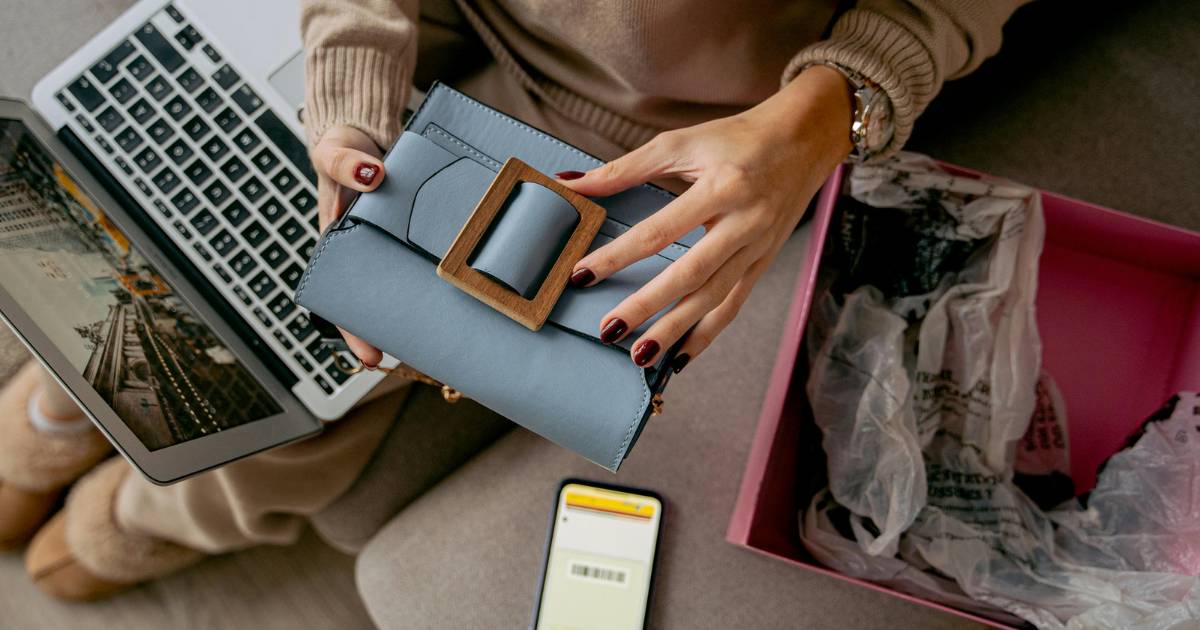
- An unboxing moment is the initial experience a customer has when they first open a product's packaging. It covers the physical act of opening and the emotional response to packaging design, ease of access, and presentation.
- That first impression directly affects consumer satisfaction, brand perception, loyalty, and word-of-mouth. It's a moment worth researching rigorously.
- Capture methods include product testing, consumer feedback via video and mobile diary studies, and ethnographic observation of natural unboxing at home.
- Best practice combines multiple methods, focuses on emotional engagement alongside functional usability, and feeds insights back into packaging iteration.
- With Indeemo, you can capture unboxing moments in real time through video, photos, and audio — then analyse submissions with generative AI to surface patterns across participants.
What is an unboxing moment?
In market research, an unboxing moment is the initial experience a customer has when they first open a product's packaging. It covers not just the physical act of opening the product, but also the emotional response to the packaging's design, ease of access, and how the contents are presented.
It's a critical touchpoint that can significantly influence consumer satisfaction and brand perception. Unboxing moments — amplified through social media and influencers over the last decade — are commonly researched through In-Home Usage Tests (iHUTs) and other product testing methodologies.
Why does the unboxing experience matter?
The unboxing experience is a gateway. It either lifts the consumer's perception of a brand or reduces it, sometimes in seconds. Getting it right helps brands make a memorable first impression, build excitement, reinforce product value, and create emotional connection with customers.
Brand loyalty
A positive unboxing experience improves customer satisfaction, which can boost loyalty and repeat purchases.
Word-of-mouth marketing
Strong unboxing experiences get shared on social media, increasing brand exposure and bringing in new customers organically.
How do you capture unboxing moments in market research?
Three complementary methods work well for capturing the unboxing experience.
Product testing
Product testing is fundamental to understanding how your product performs in real-world scenarios, including unboxing. It covers:
- Prototype testing. Making sure the product is user-friendly from the moment the package is opened.
- Packaging assessment. Evaluating the functionality and visual appeal of the packaging. Is it easy to open? Does it secure the product properly?
Consumer feedback
Gather consumer feedback through video responses, focus groups, or mobile qualitative research platforms like Indeemo, immediately after the unboxing experience. Specific questions to ask:
- Ease of opening
- Visual appeal of the packaging
- Initial thoughts and emotional reactions
- Overall satisfaction with the unboxing experience
Ethnographic studies
Ethnographic studies let you observe participants in a natural setting. Done well, they reveal unconscious behaviours and spontaneous reactions that more structured tests can miss — someone wrestling with a plastic seam, a moment of delight at a well-designed insert, frustration at missing instructions.
What are best practices for researching unboxing moments?
1. Use a mix of methods
Combine video responses, iHUTs, focus groups, and platform-based research to gather a well-rounded view. No single method tells the whole story.
2. Focus on emotional engagement, not just functional usability
Packaging that works but doesn't evoke any feeling is a missed opportunity. Design research should capture both the functional (easy to open, no damage) and the emotional (delight, surprise, reassurance) dimensions.
3. Feed insights back into continuous iteration
Regularly update packaging and product features based on consumer insight. Unboxing is a touchpoint that benefits from ongoing refinement — small changes often produce outsized emotional returns.
How does Indeemo support unboxing research?
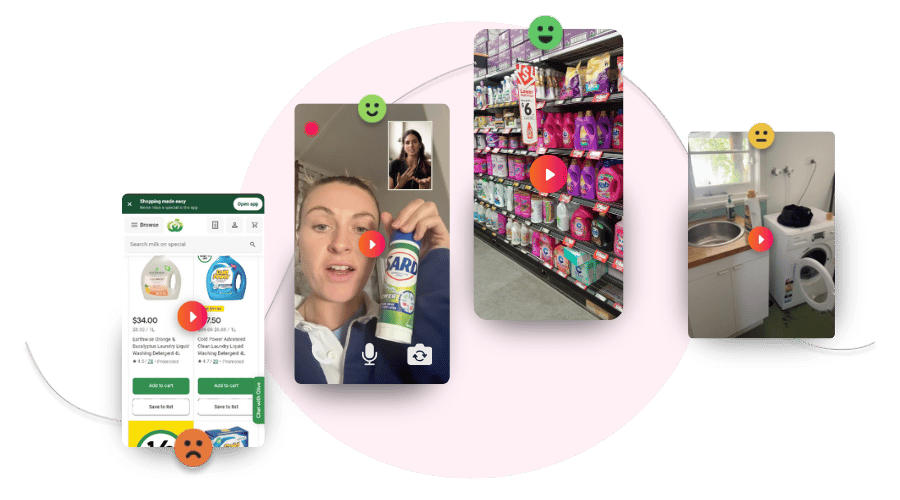
Indeemo lets participants record and share unboxing experiences in real time through their smartphones. They can upload videos, photos, and audio as they open and explore a new product — capturing visual and auditory reactions alongside the immediate emotional response that written surveys miss.
The dashboard lets researchers analyse the data efficiently. You can tag, sort, and categorise video content to identify patterns and pivotal moments across participants. Alongside unboxing research, Indeemo supports the full qualitative workflow:
- Recruit B2C and B2B participants in hours from a panel of 3 million+ participants
- Capture videos, photos, screen recordings, and texts in 30+ languages
- Use generative AI for summarisation, translation, thematic analysis, and sentiment analysis to speed up analysis significantly
- Create subtitled highlight reels to share unboxing reactions with brand, marketing, or packaging design teams
- Import follow-up interviews from Zoom or Microsoft Teams for deeper probing alongside the diary data
Unboxing moments are more than just opening a box. They're a critical part of the consumer experience that shapes brand perception and future behaviour. Researching them well — through product testing, consumer feedback, and in-context video — helps brands strengthen market positioning and customer satisfaction in a way that's visible from the very first interaction.
Do you need to be a product research specialist to run unboxing studies?
No. Whether you're a consumer insights team, a brand managing a product launch, or an agency running research for a client, Indeemo can support you.
Use the platform independently, or partner with our Catalyst team for study design, recruitment, moderation, and analysis. If you have research ambitions but not the capacity to run the project yourself, we can lend a helping hand.
Frequently asked questions
What's the difference between unboxing research and an in-home usage test (iHUT)? Unboxing research captures the first few minutes of a product experience — opening, first impression, immediate emotional reaction. An iHUT typically runs for longer, covering the full lifecycle of product use over days or weeks. Unboxing research is often the first phase of an iHUT.
How long should an unboxing video be? Most useful unboxing submissions are 2–5 minutes. Long enough to capture opening, first reactions, and initial exploration; short enough that participants can complete them without feeling like a formal task.
Can unboxing research work for online-only products (software, digital subscriptions)? Yes. The same principles apply to "first use" experiences for apps, digital services, and software. Mobile screen recording captures the equivalent of unboxing for a digital product — signup flow, onboarding, first meaningful interaction.
How many participants do you need for an unboxing study? Most unboxing studies work with 15–30 participants per product or market. Because each participant contributes rich video, audio, and reflection data, sample sizes can be smaller than survey-based product research.
What kinds of insights come out of unboxing research? Functional issues (packaging is hard to open, instructions are unclear), emotional reactions (delight, confusion, underwhelm), unmet expectations, and word-of-mouth signals (would they share this moment, or not?). The strongest studies bring all four dimensions into the analysis.