Key takeaways
- Packaging gets judged three times: on the shelf, in the hand, and over the days or weeks it sits in someone's home. Most research only tests the first.
- A shelf test and a home-use test can produce opposite verdicts on the same product. Testing only one gives you half the picture, or less.
- King Technology found its new Walmart product was easy to miss on shelf, but shoppers who tried it at home were enthusiastic enough that the company tripled its research budget on the strength of the study.
- A Canadian bodycare brand skipped the shelf question entirely, running an unbranded diary study that went from fieldwork to a revised pack and a new formula in 48 hours.
- With Indeemo, you can design a study across all three moments, recruit participants who match your exact criteria, and move from fieldwork to insight in days rather than weeks.
What are the three moments packaging gets judged?
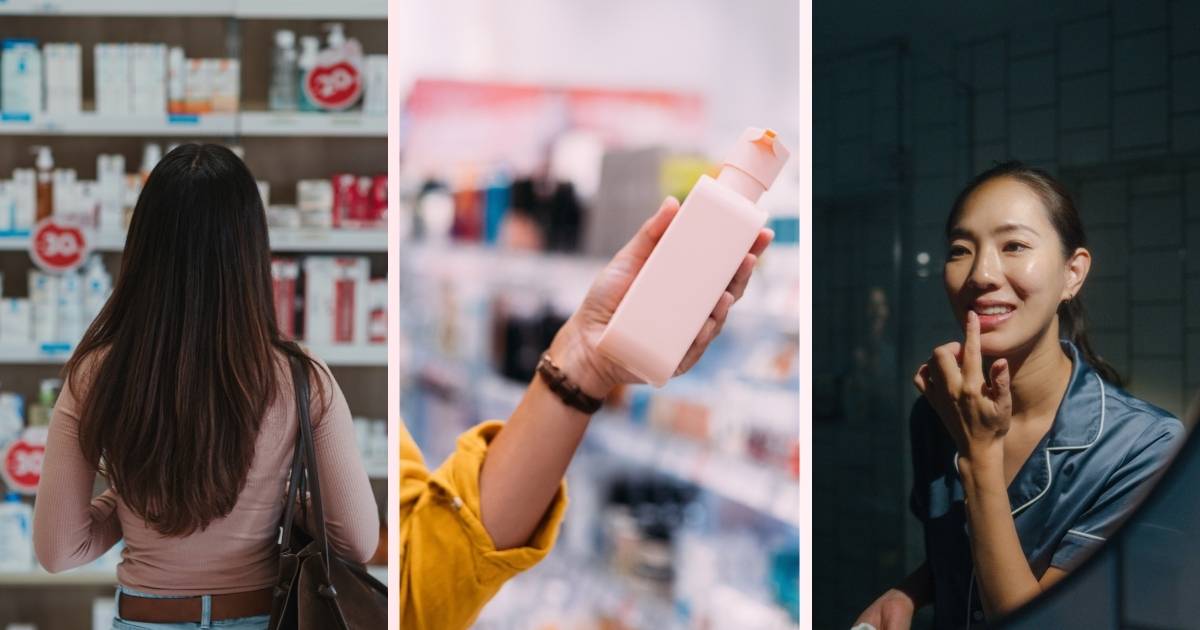
Packaging research usually happens at one moment: the shelf. Shelf impact tests, pack sorts, eye tracking in a mocked up aisle. All useful, all answering the same question: does this stand out enough to get picked up?
That's one verdict out of three. A pack also gets judged in the hand, once someone's actually holding it and reading it. And it gets judged again over the following days or weeks, once it's sitting in a kitchen cupboard or a bathroom cabinet and someone has to open it, use it, reseal it, store it, and eventually decide whether to buy it again. Research built around the shelf moment alone can only answer the first of those three questions. Sometimes that's the one that matters. Often it isn't.
What happens when you test all three moments, not just one?
One study makes the gap between these three moments hard to ignore. A manufacturer known for a completely different category was moving into a major retailer for the first time, launching a product in a format nothing else on that shelf used. The move meant answering three questions at once: would it get noticed, would it hold up once picked up, and would it earn a repeat purchase.
That manufacturer was King Technology, known for pool and spa chemicals, and the product was a dry chemical pod that goes straight into the pool skimmer instead of the liquids and buckets that dominate the aisle.
Lynn Nord, King's Marketing Insights and Operations Manager, had thirty years of concept tests and focus groups behind her but had never watched a shopper encounter a product live in a Walmart aisle. So she built a shopper journey study in three deliberate phases: a cold, unprompted reaction to the aisle with no steer toward King's product at all, a hands-on interaction once shoppers picked the product up and read the packaging, and a 30-day follow-up once they'd actually used it at home. Twenty matched shoppers, recruited to match the specific stores that carried the product, went through all three phases.
Each phase told a different story.
On the shelf, the pack was easy to miss. Boxed in black with neon accents against an aisle dominated by blue, white and orange, and confined to a three-foot shelf width, shoppers noticed the big, familiar brands and whatever looked biggest and loudest. King's product mostly didn't register.
In the hand, the reaction turned around fast. Once shoppers picked it up and actually read the packaging, interest and curiosity followed quickly.
At home, that interest became enthusiasm. Thirty days in, shoppers were raving: no measuring, no touching, no spills, water quality several described as noticeably better than what they'd used before. Because the pod dispenses over 24 hours and lasts 90 days, it also asked far less of them week to week. Several said they'd buy it again and wanted to try the other variants.
"If I didn't have Indeemo, I would never have gotten the in-store understanding that our product wasn't standing out on the shelf. I would have lost that completely. There was no other way I could have gotten that."
— Lynn Nord, Marketing Insights and Operations Manager, King Technology
A shelf test alone would have called this a failure. A home-use test alone would have called it a hit. Both would have been half right.
King's base packaging is regulated by the EPA and can't change, so the shelf finding couldn't turn into a repack. Instead, the company is redesigning the shelf fixture itself and putting more weight behind brand awareness before next pool season, aimed at getting shoppers looking for the product before they reach the aisle. The study also became the model King now reaches for more widely: a recent quarterly innovation day generated 400 new product concepts, and this kind of testing is now how the company decides which are worth pursuing. On the strength of the study, King brought its next year's research budget forward and tripled it.
Read the full King Technology case study for more on how the three-phase design worked in practice.
What if the packaging question isn't about the shelf at all?
Some packaging questions never touch a shelf. A Canadian bodycare brand, working with strategist Claudia Aguirre of Kind Atom, wanted to extend its natural, non-toxic reputation into face care with a new super balm. Her first instinct was to push back on focus groups: in beauty, what people say and what they do are two different things, and women tend to describe a more virtuous routine than they actually keep.
"You don't know what you don't know. You think women are going to come to a focus group and tell you everything. They are not going to remember. And they are going to say things that they think other women would accept as desirable."
— Claudia Aguirre, CEO and Brand Strategist, Kind Atom
Instead, she designed an eight-task digital diary study over four days with women across Canada. It opened with filmed walkthroughs of each woman's real morning and evening routine, in her own bathroom, in pyjamas and headbands: what Claudia calls the silent witness effect, watching real behaviour without changing it. Participants then emptied their drawers, bags, cars and bedside tables to show every product they owned. Facecare shelves told their own story, with women juggling up to 20 brands and mixing natural with non-natural freely, purists included.
The balm itself arrived unbranded. Each woman used it over three consecutive nights, filming application and next-morning results, and reporting on absorbency, hydration and performance. Other tasks asked her to design her ideal packaging, react to scent and ingredient concepts, and name a price, feeding directly into a pricing analysis. Only on the final day did participants learn whose product it was. Most had guessed at luxury or premium brands, and some existing customers admitted they'd never imagined this brand had the credentials for face care.
Fieldwork wrapped on a Monday. By Wednesday, the packaging design had been revised and the order secured, and a second, richer moisturising formula had joined the launch roster because participants had asked for it directly. Pricing, usually the most nervous decision in a launch, came from the testers themselves: having placed the unbranded balm next to luxury names they recognised, the brand had the evidence to price it well beyond pharmacy grade.
"It was almost like we were witnessing, we were the silent witness of their routine."
— Claudia Aguirre, CEO and Brand Strategist, Kind Atom
There was no shelf moment in this study at all. The pack was designed, priced and revised entirely from what happened in real bathrooms, days three and four, next to twenty other products a woman already owned.
Read the full Kind Atom case study for the complete task list and timeline.
How do a shelf test, a hands-on test, and a home-use test actually differ?
How do you design a study that covers all three moments?
The short answer: with a diary study that follows participants from an unprompted first reaction through to real use at home, run on a platform that lets you recruit the right people, capture what they do on video, and analyse it quickly enough to act on.
Indeemo supports this kind of study with a few tasking approaches, depending on which moment you're testing:
A few things make this kind of study work in practice. Recruiting for a shelf reaction test often means matching participants to a specific store or region, which Indeemo's global panel of 3 million+ participants makes easier to do at the segment level you need. Sending a product out unbranded, as Kind Atom did, is straightforward to build into a task list. And because submissions come in as video, photos, and screen recordings rather than written notes, AI-assisted analysis and highlight reels mean a team can move from fieldwork to a decision in days, not weeks, the same turnaround Kind Atom and King Technology both saw.
The stakes for getting this wrong are higher than most research briefs acknowledge. According to a 2026 Greenbook analysis of commercial eye-tracking data, shoppers look at an individual pack for roughly two seconds on the shelf, compared with twenty or thirty seconds of deliberate reading in a typical claims survey. A claim or design that wins in a survey is being judged under conditions nothing like the ones it will actually face.
What should this change about how you test packaging?
A few principles follow from watching a pack move through all three moments instead of just one.
Separate the shelf question from the usage question, deliberately. They test different things and can produce opposite answers, so if you only have budget or time for one, decide first which verdict you actually need.
Get the reaction before anyone's primed. King's cold, unsteered aisle task is doing real work here. The moment someone knows there's a specific product to evaluate, you lose the read on whether it would have caught their attention on its own.
Don't stop at purchase. The pack still has a job to do after it's bought: opening, resealing, storing, topping up, running out. That's where repeat purchase actually gets decided, and it's invisible to any shelf-based method.
Ask people to design the packaging, not just react to it. Kind Atom's diary study didn't only observe, it asked each woman to design her ideal packaging as a task in its own right. Pairing observed routine with a direct creative task gave the brand something to act on within 48 hours, not just a rating.
Test unbranded when the brand itself might bias the answer. Sending the balm out with no branding, and revealing the client only on the final day, let Kind Atom separate what the product delivered from what the name promised, and it produced a pricing answer the brand wouldn't have trusted from a straight survey question.
Design for the constraint you can't change. If the packaging itself is locked by regulation, cost, or a global format, as King's was, point the research at what you can still influence: fixture, adjacency, awareness, first impression in hand.
Match the method to the moment. A shelf impact test needs people in front of a shelf. A usage question needs people in their own homes over days or weeks. Trying to answer both with one method usually means answering neither well.
Do you need a full research team to run a study like this?
No. Whether you have an in-house research and insights function or you're a brand team testing packaging for the first time, Indeemo can support you.
Use the platform independently if you have the expertise to design and run the study yourself. Or partner with our Catalyst team for study design, participant recruitment, moderation, or analysis, whatever part of the project you need help with. If you have a packaging question but not the capacity to run a three-phase study yourself, we can lend a helping hand. Browse more customer stories to see how other teams have approached this.
Frequently asked questions
What's the difference between shelf testing and usage testing for packaging?
Shelf testing measures whether a pack gets noticed and picked up. Usage testing measures whether the product earns a repeat purchase once someone's living with it. The two can give opposite verdicts on the same product, so it matters which question you're actually trying to answer.
How many participants do you need for a three-phase packaging study?
King Technology's study used 20 matched shoppers across all three phases. Kind Atom's used a smaller group of women over four days. Depth matters more than sample size here, since each participant generates rich video data across multiple moments.
Does unbranded testing work for smaller or newer brands?
Yes. Sending a product out unbranded removes the bias that comes from a name or reputation, which can be just as useful for a newer brand as an established one. It's particularly useful for pricing questions, since it lets people judge the product on its own merits first.
How quickly can you go from fieldwork to a packaging decision?
Kind Atom went from the end of fieldwork to a revised pack and a new formula in 48 hours. Turnaround depends on the study, but capturing feedback as video rather than written survey responses, combined with AI-assisted analysis, is what makes that kind of speed possible.